You Can't Emulate Profits
The nascent ecosystem still has a lot of growth ahead
Francis Scialabba
• less than 3 min read
Neuroscience researchers understand how neurons, synapses, and electrical signals make the brain work. Higher-level cognition and real-time observation, a little less so.
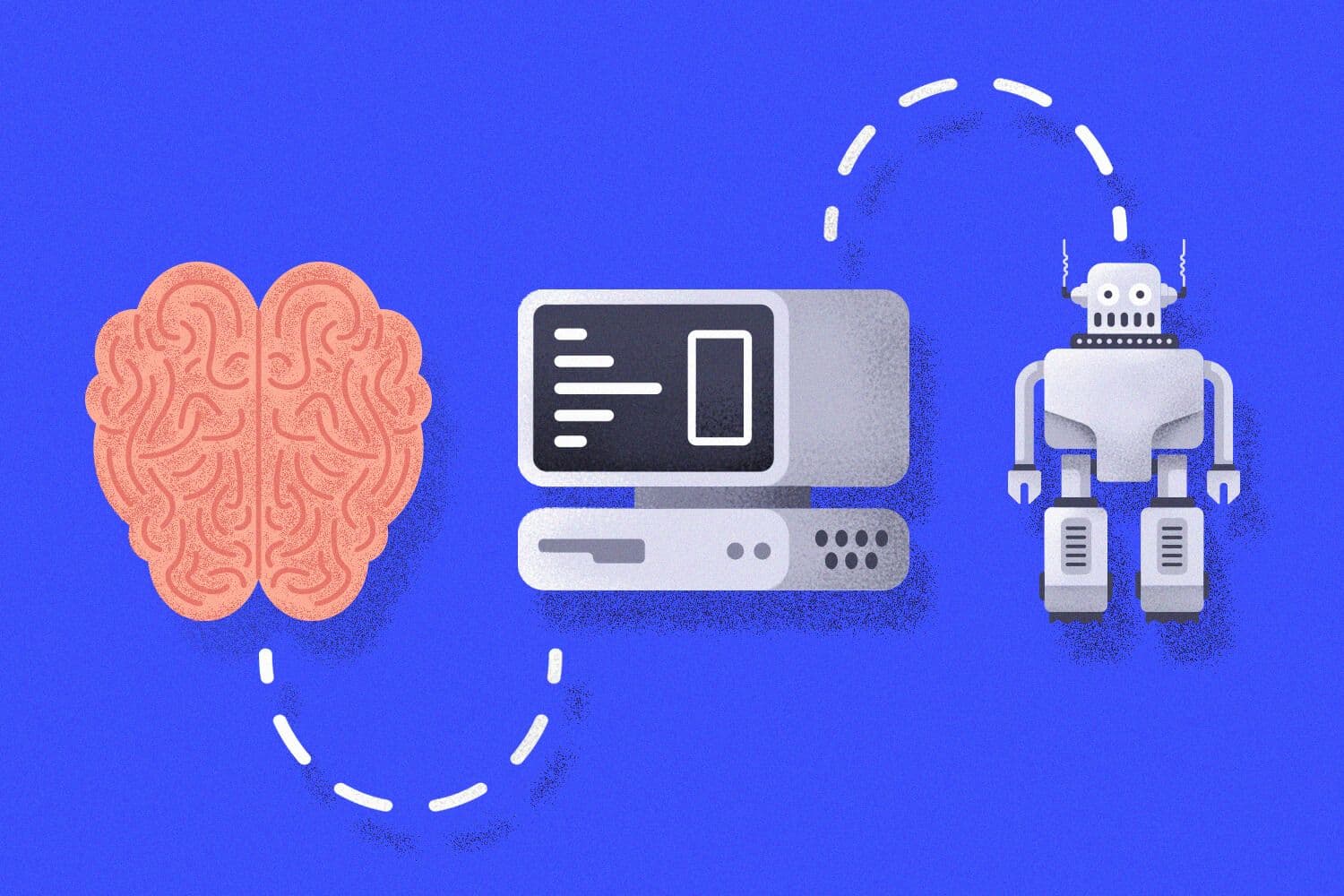
Before emulating a human brain, we have to map one. Randal Koene, chairman of Carboncopies (a nonprofit supporting the field of whole brain emulation) said he would be “astonished” if scientists had even a simple mind upload of a mouse within 20 years, but “equally astonished” if the human brain isn’t emulated in the next century. More conservative estimates put this feat more than a century away.
What’s holding us back: The neuroscience community still has a lot to learn about the brain. Good news is there’s a lot of ongoing research, and every little piece helps assemble the puzzle. Bad news is it’s still a little too early for any pure whole brain emulation companies to emerge.
- Prominent startups like Neuralink and Kernel are working on the cutting edge of brain-computer interfaces. Their tech is for linking up mind/brain and computer, not creating an emulation that sits on hardware. But it’s still complementary progress.
The nascent ecosystem still has a lot of growth ahead. It’s not a field for quick money or products of easily defined value, so driving support outside of fundamental research can be a challenge, Koene said.
Morning Brew delivers quick and insightful updates about the business world every day of the week from Wall St. to Silicon Valley.
By subscribing, you accept our Terms & Privacy Policy.
Morning Brew delivers quick and insightful updates about the business world every day of the week from Wall St. to Silicon Valley.
By subscribing, you accept our Terms & Privacy Policy.