When to buy the bear
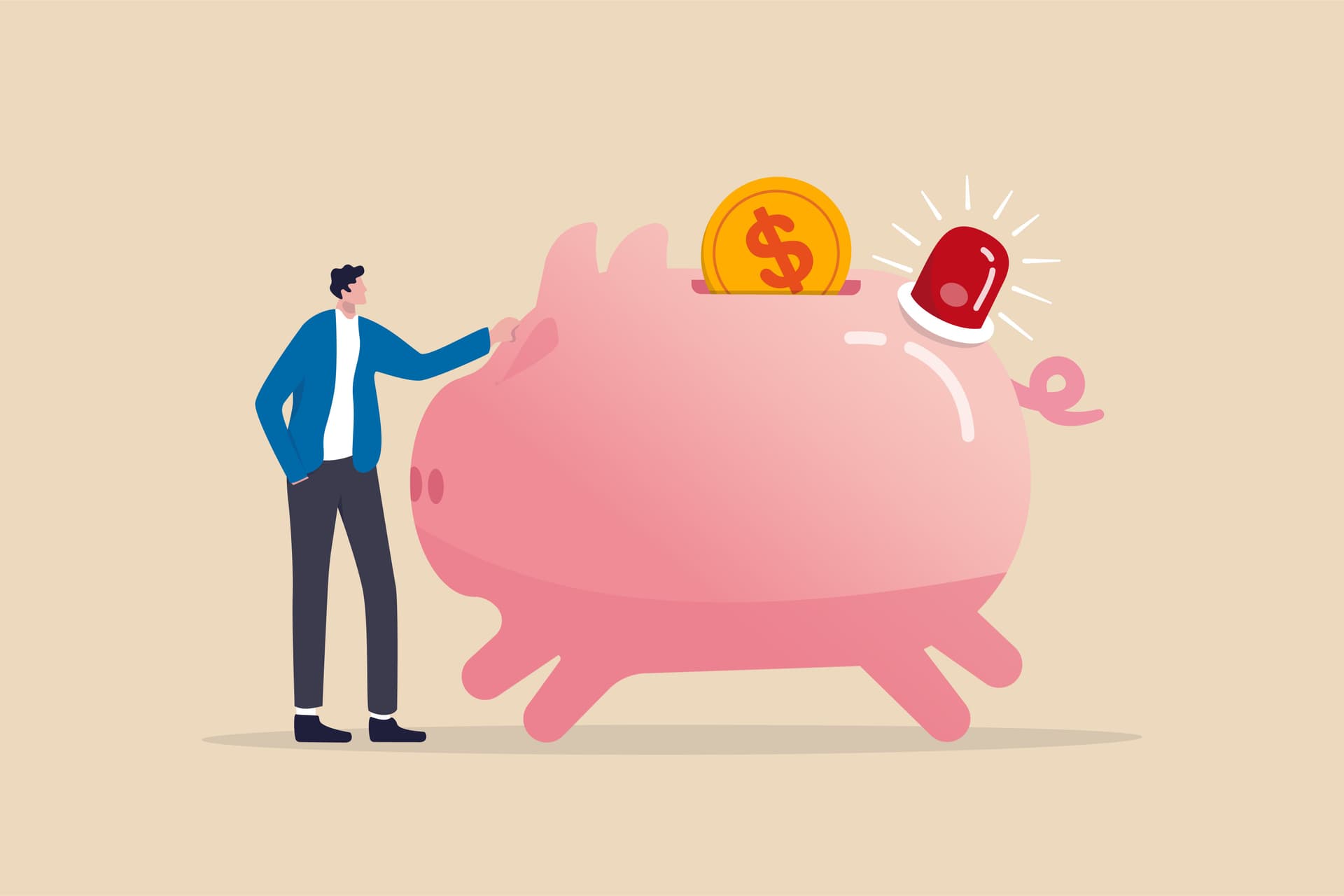
Build up an emergency fund before investing.
Getty Images
• 3 min read
In this weekly column, we’ll help you sort out financial gray areas—from prenups to inheritances and more. Submit your money matter here.
Hi, Money Scoop! As a 30-year-"young” man with two jobs to get by, I’m afraid of a potential recession. I have a couple hundred saved on-hand but most of my savings is invested for the long-term. I’m trying to be very committed to continuing to buy during the current bear market. I guess my question is… How important is an emergency fund? Is it a bad idea to keep investing without an emergency fund?—Buy the Bear
Dear Buy the Bear,
Investing during a bear market is a good way to maximize growth, assuming you are able to keep your money in the market long enough to see a return on your…wait. Did you just say you had two jobs and only $200 in cash savings?
You are already in a state of emergency.
At this point in your life, a single unexpected event—a job loss, a car repair, a visit to the doctor’s office, literally anything that costs more than $200—will not only eat up everything you’ve saved, but also push you into one of two bad choices:
- Covering the cost with a credit card.
- Covering the cost by selling your investments during a bear market.
The first option could put you into debt. The second option could force you to take a loss on your investments. If you invested your money into a retirement account like a 401(k) or an IRA, you might also end up paying taxes and penalty charges.
Morning Brew delivers quick and insightful updates about the business world every day of the week from Wall St. to Silicon Valley.
By subscribing, you accept our Terms & Privacy Policy.
Or maybe you’re already in debt like most Americans and you’re thinking, ‘What’s a little more debt in the long-run when I have the opportunity to buy buy buy during the biggest bear market in my 30-years-young lifetime?’
Because an emergency fund is extremely important. Even if you have backup plans right now, like using a 0% intro APR card, crowdfunding, or getting a third job, those aren’t sustainable options to get you out of a financial bind that could be just around the corner.
So I’m going to tell you to save a three-to-six month emergency fund before you invest another dime. That might sound like a good chunk of change, but start small with your deposits. Five bucks here, $10 there. It adds up quickly, I promise! And if one of your jobs comes with a 401(k) company match, budget your cash to prioritize both your employer match and your emergency savings—and put those funds into a high-yield savings account to maximize your compound interest.
After that, you can buy as much bear as you want. 🐻—Nicole Dieker, Money Scoop guest columnist
Morning Brew delivers quick and insightful updates about the business world every day of the week from Wall St. to Silicon Valley.
By subscribing, you accept our Terms & Privacy Policy.